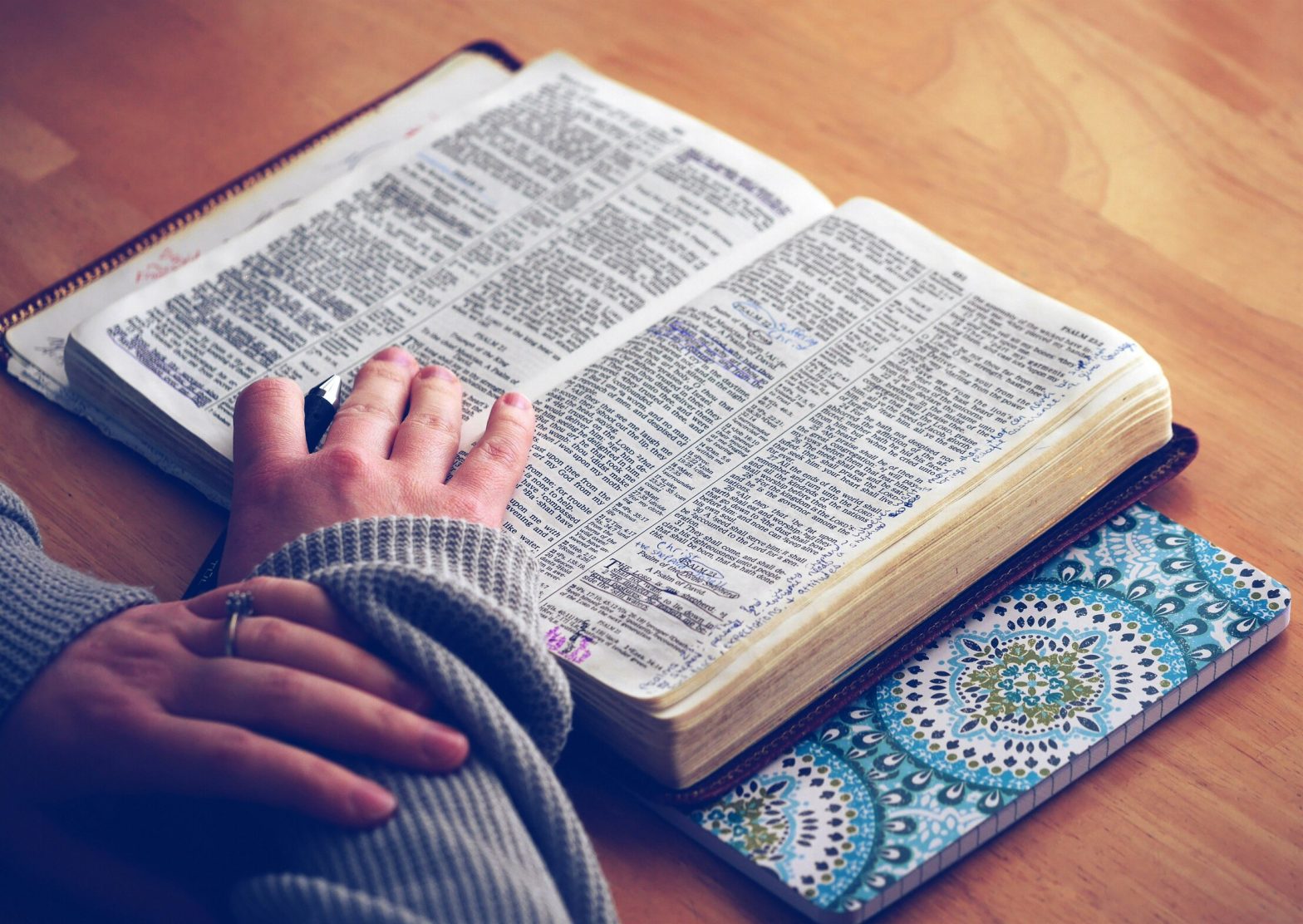
When you receive salvation you are born again into God’s family. You are a new Christian and a baby in the faith. The main thing is to begin to grow now in your faith. And in the same way that a baby needs to eat food to grow, so you also need to eat spiritually to grow in your faith. This means that you need to read the Bible daily because this will nourish your spirit and cause you to grow spiritually. However, many new Christians feel overwhelmed when it comes to the Bible. They don’t know where to start and it can all feel so overwhelming. So where should you start reading the Bible? Let’s look at that now.
You can choose any book of the Bible to read, however, it’s a good idea to start with the gospels. The gospels detail the life, miracles and teachings of Jesus and this will help build a solid foundation in your life. You can start with John or Mark.
FAMILIARISE YOURSELF WITH EACH BOOK OF THE BIBLE
Before you start reading a book in the Bible it will be very helpful to get an overview of the book, especially if you are new to the faith. In this way, you will have the context of the book and a better understanding of what you’re reading. The Bible Project on YouTube offers a quick, visual breakdown of each book of the Bible. You can find the link for The Bible Project here. It’s such an excellent and helpful tool.
It’s a good idea to start off reading one chapter per day. Once you’ve completed the Book, listening to some teaching on it will be helpful. A really solid, Biblical teacher in Voddie Baucham. You can find some of his teachings here on YouTube. It will help to build your faith by reading the Bible and listening to some teachings too.
HOW THE BIBLE IS SET-UP
Now that we’ve looked at the question of where to start reading the Bible let’s get a better understanding of how the Bible is set up.
The Bible consists of 66 books and is divided into 2 parts:
- The Old Testament
- The New Testament
THE OLD TESTAMENT
The Old Testament records everything that happened BEFORE the birth of Jesus including prophecies foretelling the birth of Jesus.
The Old Testament has 39 books and can be divided into 5 sections. It’s interesting to note that each section in the Old Testament has 5-12-5-5-12 books which makes it easy to remember. By contrast, the New Testament has 27 books.
Most books in the Old Testament were originally written in Hebrew. It can be divided into 5 main sections:
1. THE PENTATEUCH
This refers to the first 5 books of the Bible which were written by Moses. They are also known as the books of the law. They include the following books:
1. Genesis
2. Exodus
3. Leviticus
4. Numbers
5. Deuteronomy
2. THE HISTORY BOOKS
These books cover the history of Israel. This includes occupying the promised land, and the various judges and Kings of Israel. It also describes the eventual exile of Israel and their return from Babylon. They include the following books:
1. Joshua
2. Judges
3. Ruth
4. 1 Samuel
5. 2 Samuel
6. 1 Kings
7. 2 Kings
8. 1 Chronicles
9. 2 Chronicles
10. Ezra
11. Nehemiah
12. Esther
3. THE POETRY AND WISDOM BOOKS
These books contain poetry and proverbs. They include the following books:
1. Job
2. Psalms
3. Proverbs
4. Ecclesiastes
5. Song of Solomon
The remaining books of the Old Testament are the books written by the prophets. They are divided up into the major prophets and the minor prophets. The only difference between them is in the length of the books. The major prophet books are longer and the minor prophet books are shorter. However, they’re all equally important.
4. THE MAJOR PROPHETS
1. Isaiah
2. Jeremiah
3. Lamentations
4. Ezekiel
5. Daniel
5. THE MINOR PROPHETS
1. Hosea
2. Joel
3. Amos
4. Obadiah
5. Johan
6. Micah
7. Nahum
8. Habakkuk
9. Zephaniah
10. Haggai
11. Zechariah
12. Malachi
Now let’s look at how the New Testament is organised.
THE NEW TESTAMENT
The New Testament records everything AFTER the birth of Jesus. It includes His life and teachings as well as the apostles’ teachings.
The New Testament contains 27 books and can be divided into 5 sections:
1. THE GOSPELS
The gospels describe the birth, life, miracles, and death and resurrection of Jesus. They include the following 4 books:
1. Matthew
2. Mark
3. Luke
4. John
2. BOOK OF HISTORY
The book of Acts describes what the apostles did after Jesus’ death and resurrection. The accounts in the book of Acts outline the incredible ways in which they fulfilled the Great Commission and shared the gospel.
1. Acts
3. THE THIRTEEN LETTERS PAUL WROTE TO THE CHURCHES
This section is made up of the letters written by Paul to specific churches or people. In these letters he addressed various issues within the churches and gave strong teaching of truth. It includes the following books:
1. Romans
2. 1 Corinthians
3. 2 Corinthians
4. Galatians
5. Ephesians
6. Philippians
7. Colossians
8. 1 Thessalonians
9. 2 Thessalonians
10. 1 Timothy
11. 2 Timothy
12. Titus
13. Philemon
14. Hebrews
*NB: It’s important to note that while we think Paul may have written the book of Hebrews, we have no way for knowing this for sure.
4. THE 7 GENERAL LETTERS WRITTEN TO CHURCHES
This section is made up of the letters that James, John, Peter and Jude wrote to the Church in general. It includes the following books:
1. James
2. 1 John
3. 2 John
4. 3 John
5. 1 Peter
6. 2 Peter
7. Jude
5. ONE BOOK OF PROPHECY
This section contains the book of Revelation. This book was written by John and foretells what will happen in the end times. It warns of what’s to come in the last days, the second coming of Jesus, the defeat of Satan and the coming of God’s kingdom. Revelation is the final book of the Bible.
1. Revelation
In closing let’s remember what Hebrews 4:12 says,
“For the word of God is alive and active. Sharper than any double-edged sword, it penetrates even to dividing soul and spirit, joints and marrow; it judges the thoughts and attitudes of the heart.”
The word of God is pivotal to our faith. It’s the very foundation on which we build our lives. Let’s be diligent about spending time with God and in the Word so that we can become strong, mature Christians who share the gospel with others!